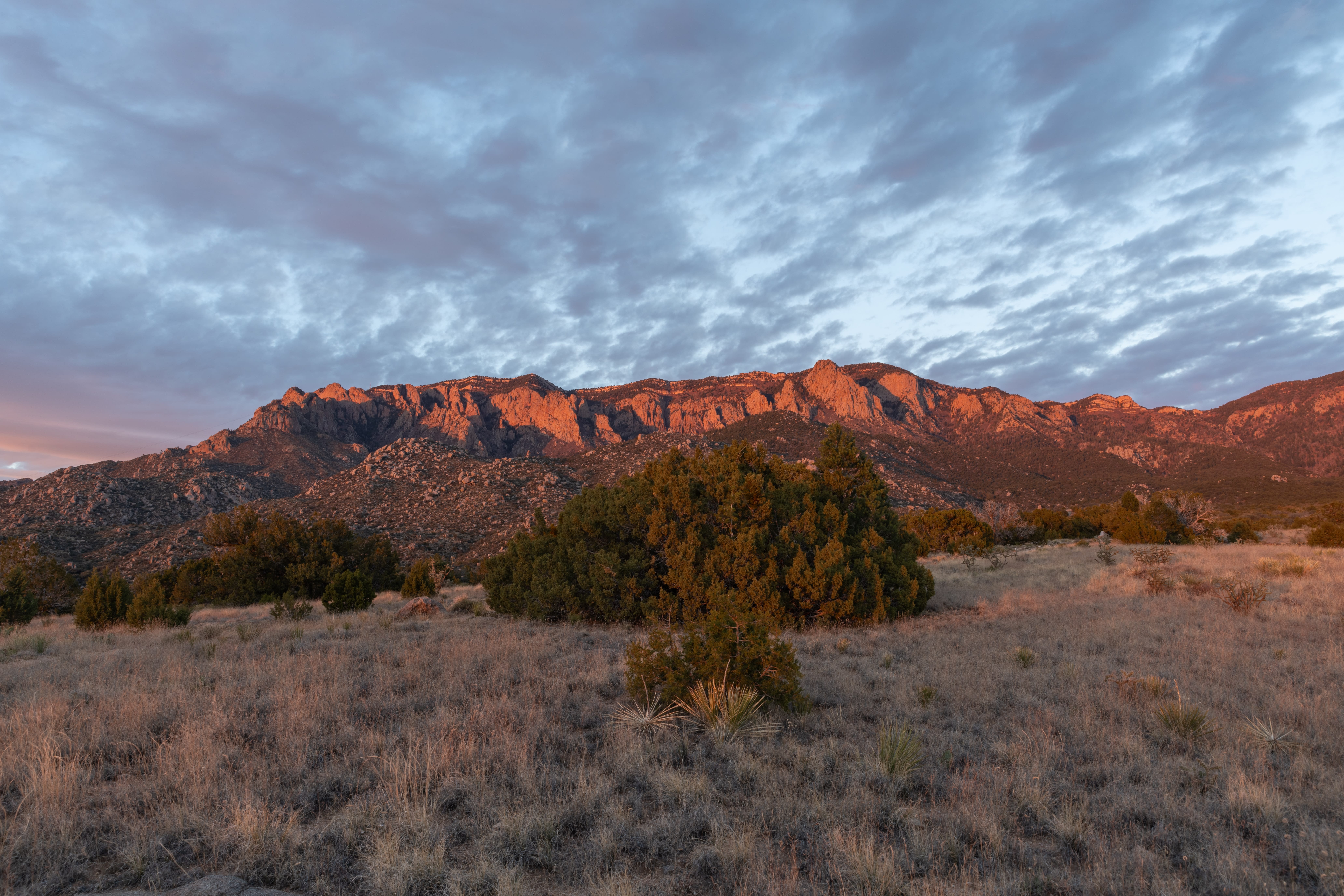
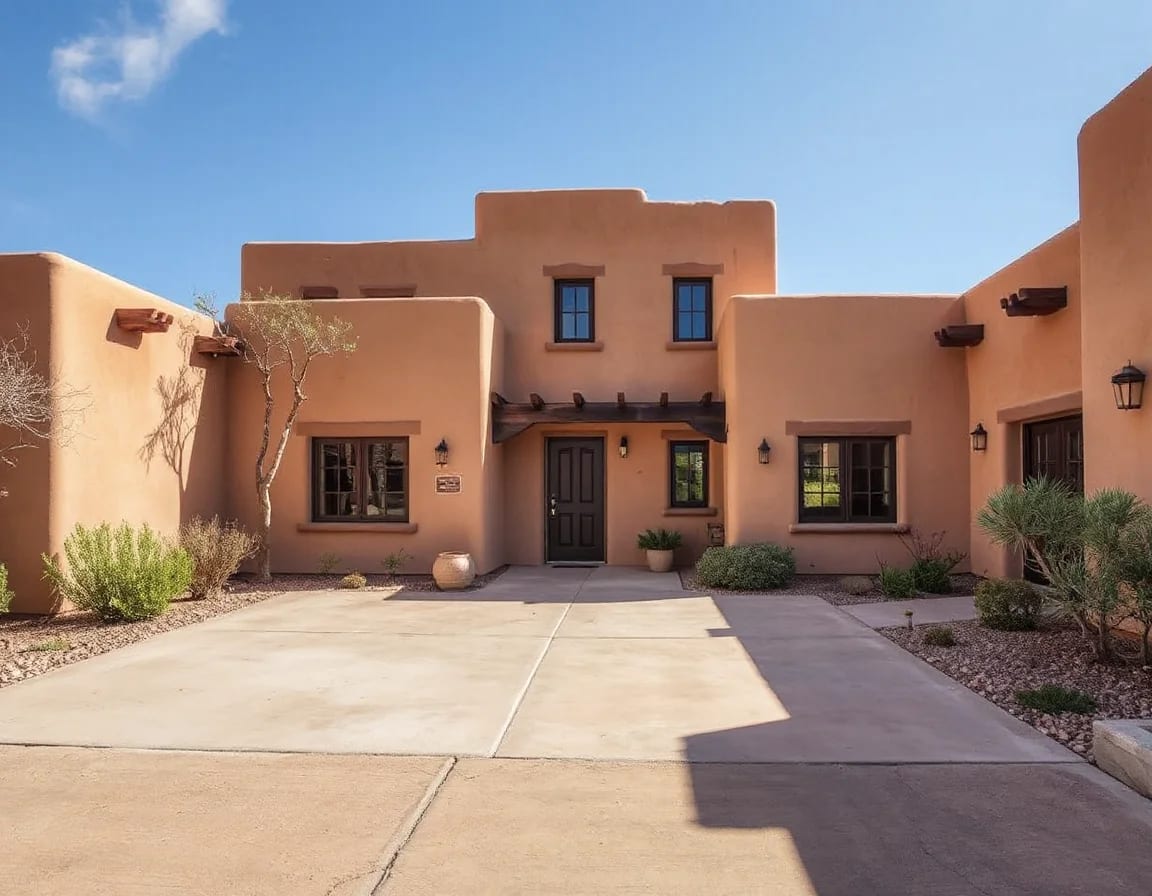
Santa Fe adobe homes carry value through more than their memorable silhouettes. From thick earthen walls and passive-solar potential to flexible courtyards and historically grounded design, these details can influence comfort, maintenance planning, buyer interest, and long-term market appeal. Understanding what makes an adobe property distinct helps buyers compare homes with clearer expectations and helps sellers present their home’s strengths with confidence.
Why Adobe Construction Stays Relevant in Santa Fe
Adobe is not simply a visual style in Santa Fe; it is a building tradition shaped by the high-desert climate, local materials, and generations of craftsmanship. Homes may be constructed from traditional adobe brick, stabilized adobe, or contemporary systems designed to echo historic forms. The details vary widely from property to property, but the strongest examples pair the area’s architectural character with practical features that remain meaningful in today’s market.
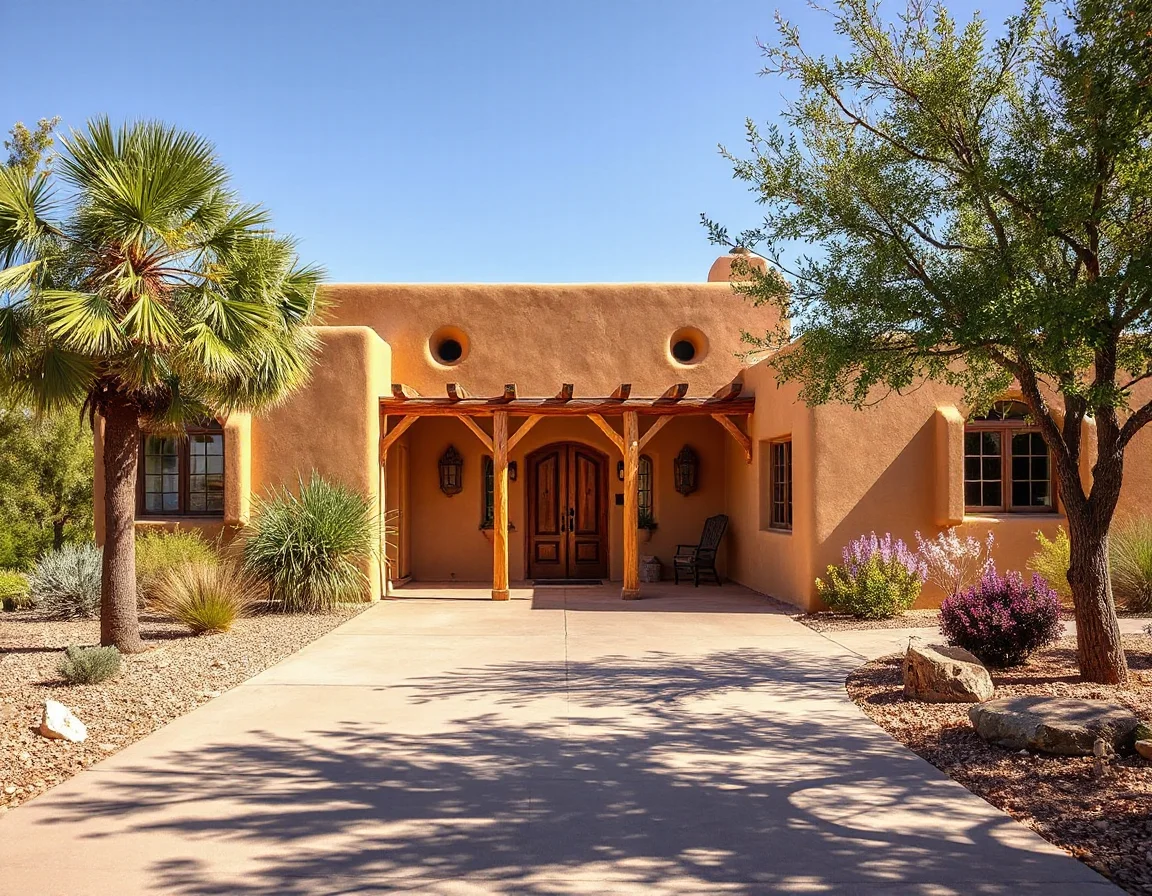
Feature 1: Thick thermal-mass walls. One of adobe’s most recognized advantages is thermal mass. Dense earthen walls can absorb heat during the day and release it more gradually as temperatures cool, helping moderate indoor conditions when the home is properly maintained and operated. This is not a substitute for modern heating, cooling, insulation, or ventilation, but it is a tangible characteristic that many buyers appreciate when considering Santa Fe’s sunny days and cooler evenings.
Feature 2: A design language rooted in place. Soft wall edges, deep window reveals, hand-troweled plaster, parapets, portals, and exposed wood beams create an architectural identity that is difficult to duplicate with standard construction. Buyers often respond to a home that feels connected to its setting, especially when original details have been cared for and later updates respect the scale and materials of the property. Distinctive design can help a home stand out when comparable listings offer more conventional finishes.
Feature 3: Deep windows and controlled daylight. Adobe walls frequently create substantial window openings that filter the intense New Mexico sun and add visual depth to a room. Combined with well-placed skylights, clerestory windows, or French doors leading to an outdoor area, this can produce interiors with a calm, layered quality. Natural light matters in every home, but in adobe residences it often becomes part of the architecture itself rather than an afterthought.
A well-maintained adobe home is often evaluated as a complete system: wall condition, roof drainage, plaster finish, site grading, and mechanical updates all work together to support long-term performance.
For buyers, the key is to look beyond surface charm. Ask about the type of construction, recent roof work, drainage improvements, exterior plaster maintenance, and the age of major systems. For sellers, organizing records for these items can make an older or highly customized home easier to understand. Clear documentation gives prospective buyers useful context and can reduce uncertainty during the decision-making process.
Three More Features That Can Influence Value
Feature 4: Portals, patios, and usable outdoor rooms. Santa Fe adobe homes often blur the line between interior and exterior living with covered portals, enclosed courtyards, ramadas, and sheltered patios. These spaces can offer shade, room for dining or reading, and a comfortable transition between the home and its landscape. Their value is not merely decorative: a thoughtfully designed outdoor area adds function to the property and can make a compact floor plan feel more generous.
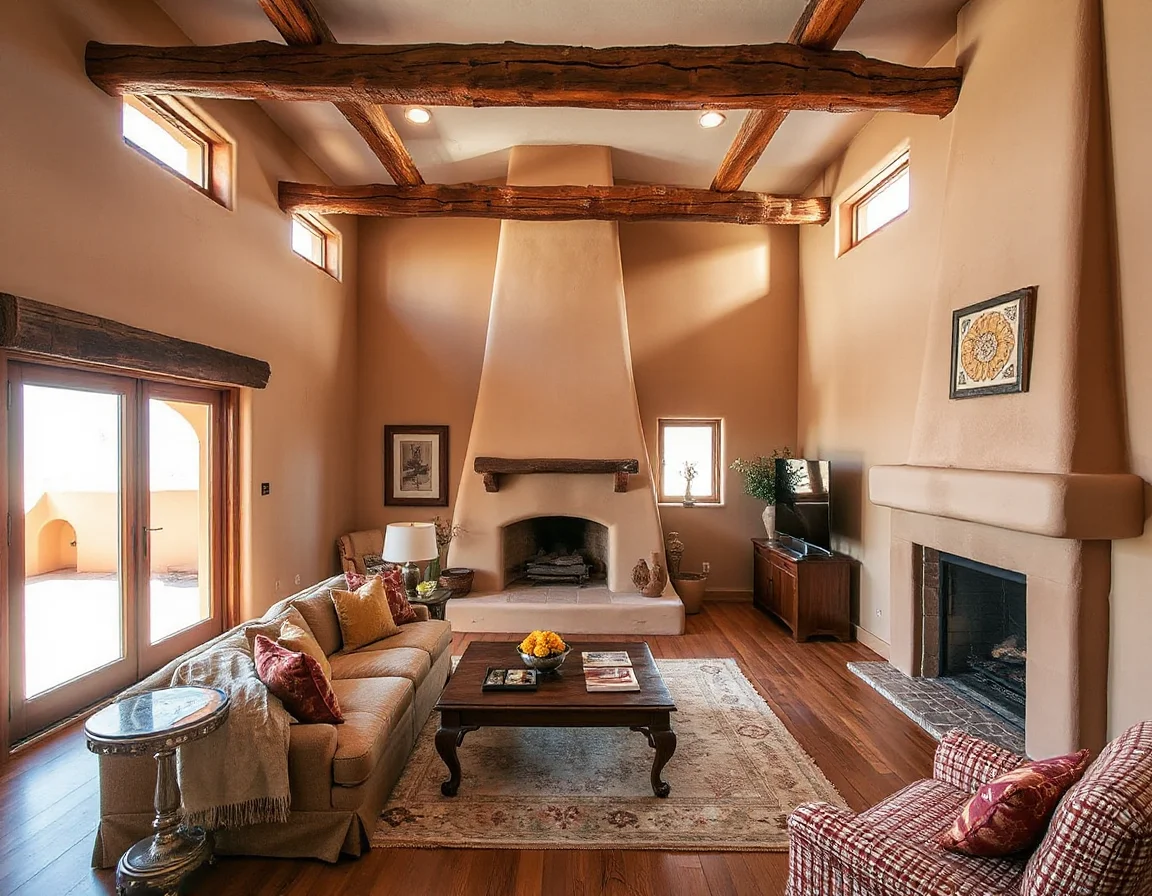
Feature 5: Adaptable interiors with tactile character. Thick plaster walls, rounded corners, nichos, built-in bancos, wood ceilings, and fireplaces can create rooms with lasting visual interest. At the same time, the most market-ready adobe properties usually balance historic character with practical updates. A kitchen can retain warm woodwork and tile while offering current appliances and useful storage. A bathroom can preserve handcrafted finishes while including modern fixtures, lighting, and ventilation. Buyers tend to notice when updates feel integrated rather than imposed.
Feature 6: Craftsmanship that rewards careful stewardship. Adobe and Pueblo Revival homes often include materials and details that benefit from specialized attention: earthen or lime plaster, traditional wood elements, flat or low-slope roof systems, and masonry fireplaces among them. Regular maintenance is part of ownership, but it can also protect the qualities that make the home memorable. A property with carefully repaired stucco, intact vigas, appropriate drainage, and thoughtfully refreshed finishes communicates that its character has been respected over time.
Not every adobe home will have the same maintenance needs. Construction era, wall assembly, roof type, lot drainage, previous renovations, and exposure to weather all matter. Buyers should use inspections and qualified local professionals to understand the condition of a particular property. Sellers can benefit from addressing visible deferred maintenance before listing, especially around rooflines, exterior finishes, drainage paths, and wood features exposed to the elements.
How Buyers and Sellers Can Evaluate the Adobe Advantage
For buyers, long-term value begins with matching the home’s architecture to your priorities. Consider how you will use the layout, outdoor spaces, natural light, and distinctive finishes—not only how the property photographs. During a showing, note whether the rooms connect comfortably, whether portals offer practical shade, and whether storage, parking, heating, and cooling meet your needs. Then pair those observations with objective questions about maintenance history and improvement costs.
Location also remains essential. Santa Fe’s homes can vary significantly by setting, access to services, lot size, views, terrain, and proximity to cultural institutions, trails, galleries, dining, and community spaces. Adobe architecture may be a major draw, but it is one component of a larger value picture. Comparing recently sold properties with similar construction, condition, acreage, and location gives a more useful reference point than comparing square footage alone.
For sellers, thoughtful presentation starts with identifying the details that make the property authentic. Highlight original vigas, a well-proportioned portal, restored plasterwork, a kiva fireplace, handmade tile, landscaped courtyard areas, or energy-conscious improvements where applicable. Avoid hiding the home’s character behind generic staging choices. Instead, make spaces feel clear, functional, and well cared for so buyers can understand both the architecture and everyday livability.
A local real estate team can also help distinguish between improvements that support buyer confidence and projects that may not return their full cost. In some cases, repairing plaster, refreshing a portal, improving exterior lighting, or documenting roof maintenance may be more impactful than a broad remodel that erases a home’s original personality. Santa Fe’s market rewards homes that feel intentional, cared for, and accurately positioned.
The most compelling adobe listings explain both the character and the care behind the home, pairing evocative features with straightforward information about systems, maintenance, and improvements.
A Lasting Santa Fe Asset
Adobe homes invite a different kind of real estate conversation—one centered on materials, light, landscape, and stewardship as much as bedroom counts and finishes. Their appeal can endure because the architecture reflects Santa Fe’s environment without relying on passing trends. Whether you are preparing to buy, sell, or simply better understand an adobe property, focus on the six fundamentals: thermal mass, regional design, daylight, outdoor living, adaptable interiors, and consistent care. Together, they help explain why these homes remain among the city’s most recognizable and enduring residential offerings.