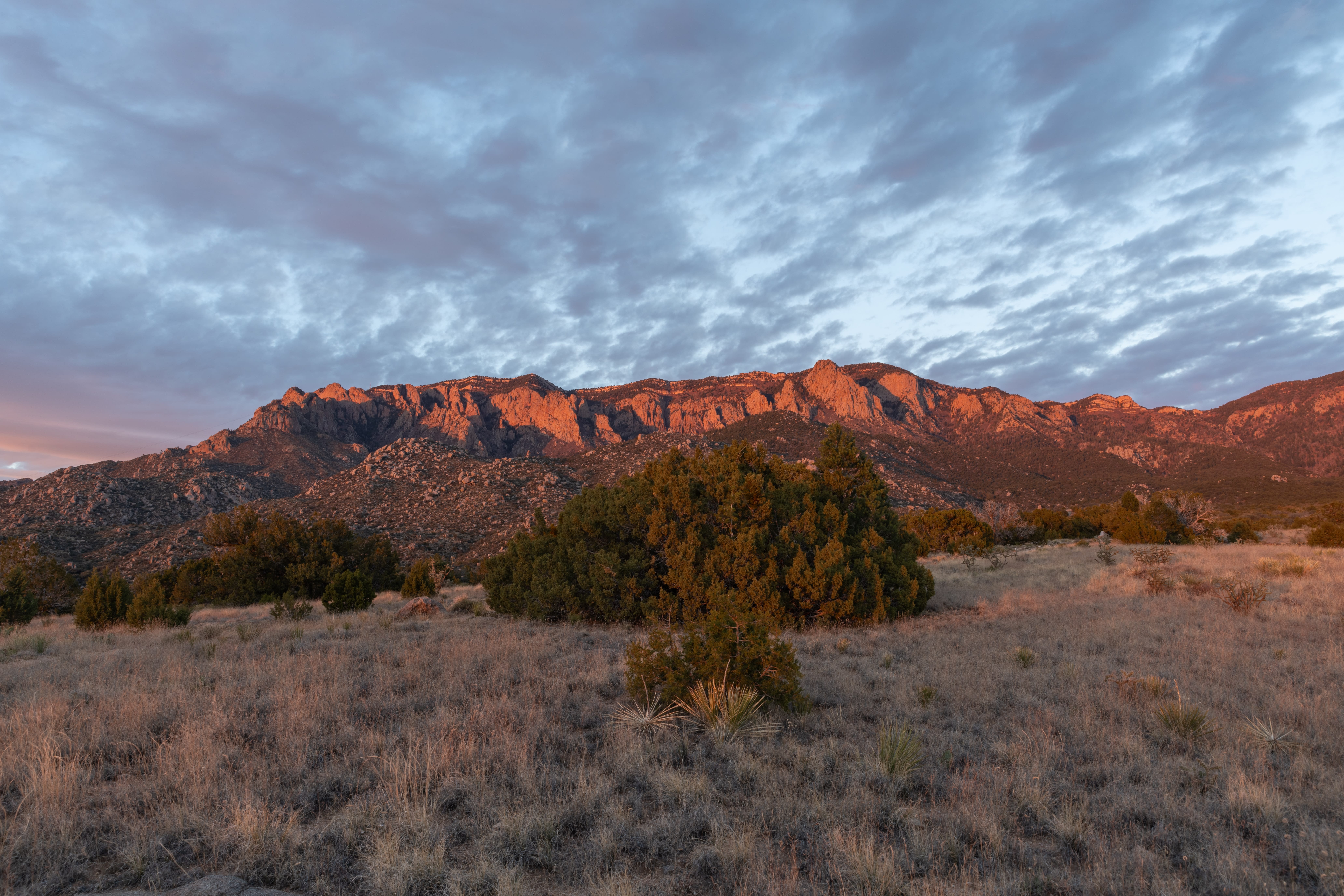
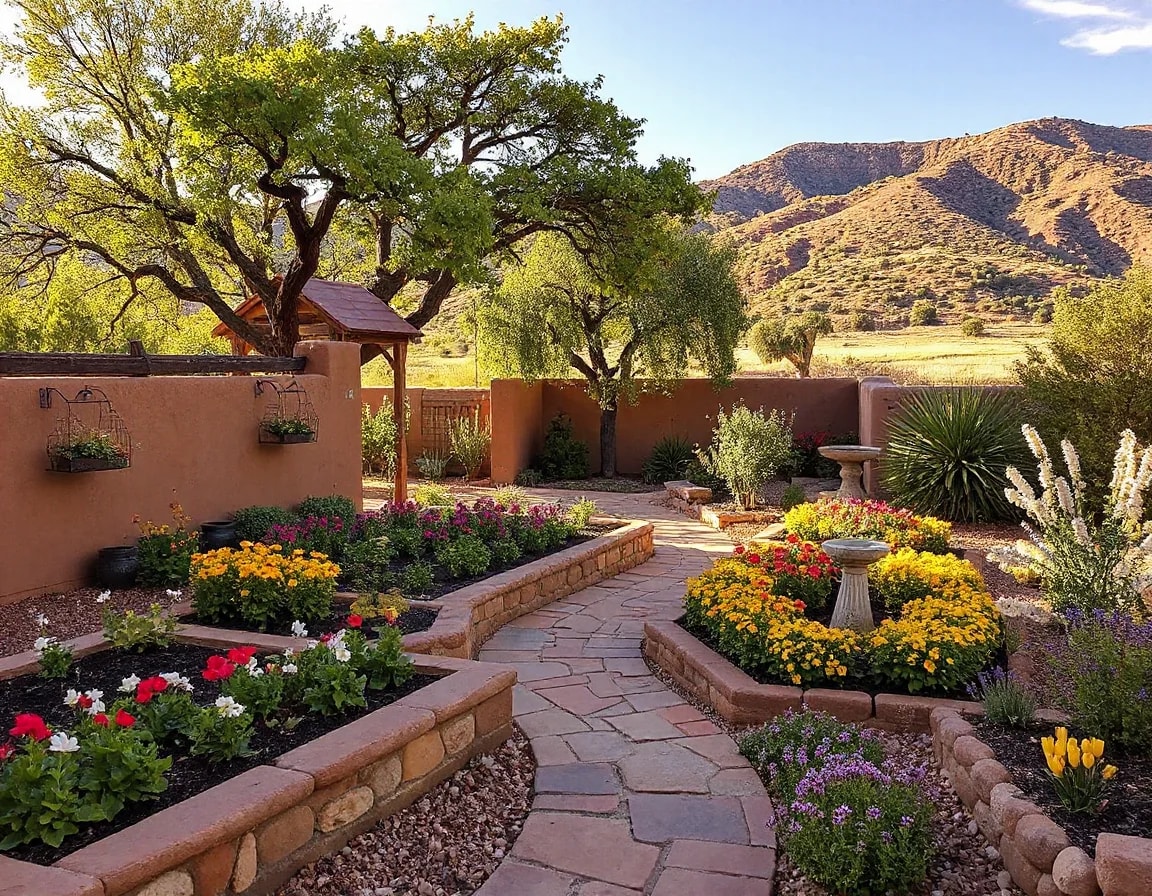
El Rito offers a distinctly unhurried Northern New Mexico setting shaped by mountain views, rural roads, historic character, and practical day-to-day planning. Exploring a home here is about more than square footage: it is a chance to understand water access, road conditions, service availability, outdoor space, and the rhythm of a smaller community. These five approaches can help you evaluate the area with clear eyes and genuine appreciation.
A Different Kind of Northern New Mexico Day
El Rito sits in Rio Arriba County, surrounded by the high-desert and mountain landscapes that make Northern New Mexico so memorable. The pace can feel refreshingly deliberate: mornings often begin with changing light on the hills, errands may require a little planning, and the outdoors is never far from view. For home buyers considering a rural property, that slower cadence is not simply an aesthetic—it is part of how the home and its location function every day.
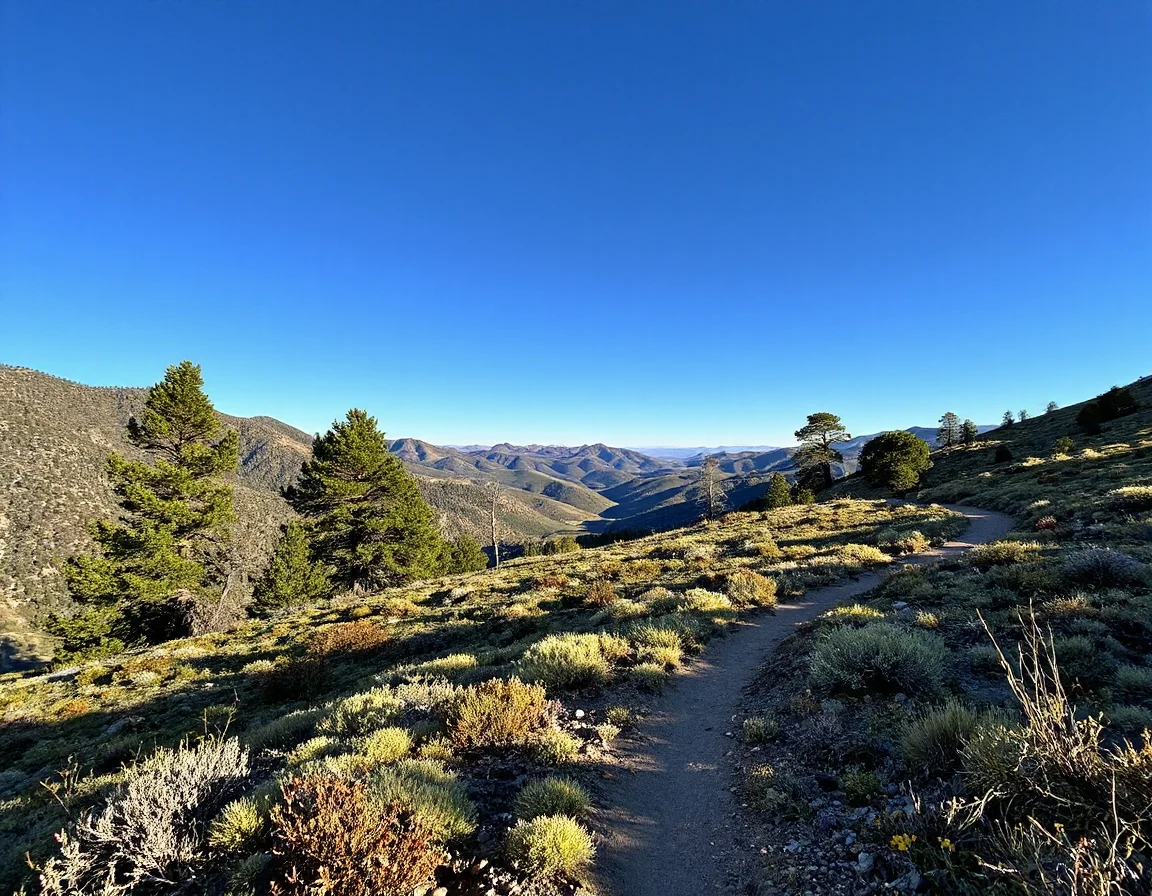
The best way to start is by allowing time. Rather than trying to assess El Rito in a quick drive-through, visit at more than one point in the day. Notice the route in and out, the grade and surface of roads, the distance to routine destinations, and the way sun and wind move across a particular parcel. Rural living rewards observation. A beautiful view is important, but so are practical details such as driveway access, snow-season conditions, cellular coverage, mail delivery, and the location of utility connections.
The village also carries a sense of history that is visible in adobe forms, cultivated land, mature trees, acequia landscapes, and long-established roads. That character makes every property feel individual. A compact village home, an older adobe needing thoughtful stewardship, and a larger tract with open land can all offer very different ownership experiences. It is useful to approach each one with curiosity instead of assumptions about what “rural” should mean.
In El Rito, a property visit is most useful when it includes both the setting and the systems: ask about access, water, septic, utilities, boundaries, maintenance history, and seasonal conditions before letting the view make the whole decision.
1. Explore the Landscape at Ground Level
One of the most rewarding ways to understand the area is to spend time outdoors without treating it as a checklist. Drive the nearby roads slowly, pause at legal public viewpoints, and pay attention to elevation changes, vegetation, drainage patterns, and the orientation of homesites. Northern New Mexico landscapes can shift dramatically over a short distance. A south-facing slope may receive abundant sun, while a shaded pocket can hold cooler temperatures and snow longer after a storm.
For anyone considering land or a home with acreage, topography deserves close attention. Walkable ground, usable outdoor areas, fencing, gates, outbuildings, and drainage channels all influence how a property can be maintained and enjoyed. The most appealing parcel is often one where the land’s natural contours work with the home rather than creating constant upkeep. During a showing, ask where water moves after heavy rain, how the access road is maintained, and which portions of the lot are regularly used.
Outdoor recreation is part of the broader regional appeal, with mountain roads, trails, scenic drives, and public-land opportunities found across Northern New Mexico. Conditions and access can vary by season, so check current public-land guidance before heading out. The objective is not to pack every visit with activity; it is to see whether the landscape feels like a setting you will enjoy returning to through different weather and seasons.
2. Let the Home’s Systems Tell Their Story
Rural properties often come with systems that deserve more attention than their counterparts in denser neighborhoods. Depending on the address, a home may rely on a private well, shared water arrangement, septic system, propane, a wood stove, solar equipment, or a combination of utility sources. None of these features is automatically a drawback or an advantage. Each simply calls for informed questions, documentation, and appropriate inspections.
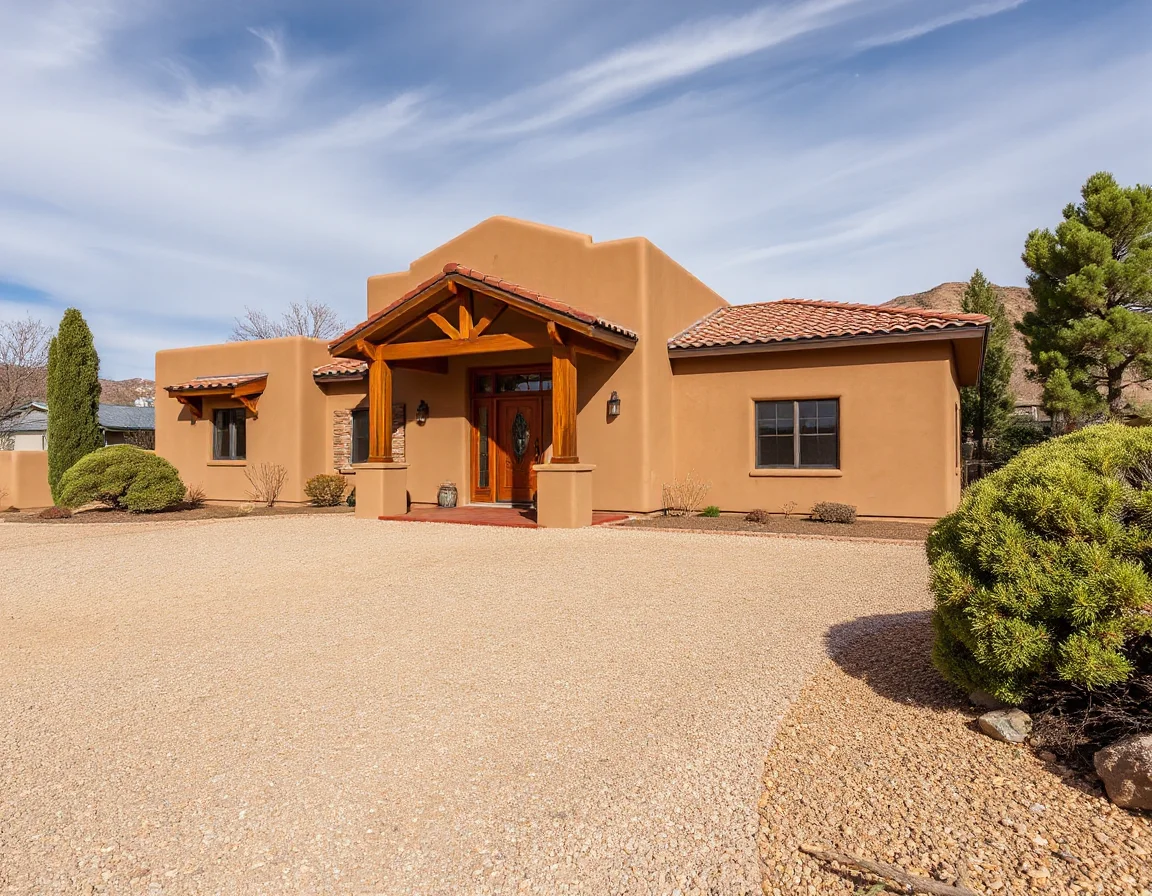
A careful review can include water-source information, well records where applicable, septic permits or maintenance records, heating equipment age, roof condition, electrical service, and internet options. Older homes may have exceptional craftsmanship and a strong sense of place, while also needing updates that should be understood early in the process. A qualified inspector and relevant local service professionals can help translate a property’s condition into a realistic maintenance plan.
Buyers should also distinguish between a feature that needs routine care and a condition that needs repair or further investigation. For example, a wood-burning appliance may be an enjoyable supplemental heat source, but it also calls for proper chimney inspection and maintenance. A dirt or gravel drive may suit the setting beautifully, while requiring regular grading or a plan for wet-weather travel. Clarity before closing makes the transition into ownership more manageable.
The strongest rural-home decisions pair emotional connection with documentation. Save inspection reports, permits, service contacts, and utility details in one place so the property’s ongoing care is easier to plan.
3. Build an Errand Map Before You Commit
Slow living does not mean unplanned living. A practical errand map is one of the simplest tools for deciding whether a location fits your routine. Before making an offer, trace the routes you would use for groceries, fuel, health care, banking, package pickup, building supplies, dining, and professional services. Include the communities you may visit regularly, such as Española or Santa Fe, and test the drive at a realistic time of day.
This exercise is especially helpful because distance in rural New Mexico is measured by more than mileage. Road curves, elevation, weather, construction, and the availability of services can affect travel time. Make note of where you would keep backup supplies, which routes you would use in changing conditions, and whether you are comfortable with the frequency of longer trips. That preparation turns a vague idea of country living into a clear, personalized routine.
It is also wise to verify communication needs at the specific property. Internet and mobile service can differ from one road to the next, so ask providers directly and test signal strength during a visit when possible. Those details matter for remote work, streaming, emergency communication, and staying connected with friends, clients, and community resources.
4. Notice the Community Through Its Everyday Places
El Rito’s appeal is not dependent on constant activity. Its character is often found in quieter details: a familiar route through the valley, seasonal changes in the landscape, local history, conversations during ordinary errands, and the pride people take in maintaining homes and land. Spend time in the wider region, visit local gathering places when open, and learn what services and events are available throughout the year.
When evaluating a rural area, keep the research factual and personal. Review county information, zoning and land-use requirements, road-maintenance responsibilities, water rights questions, and any recorded easements that may affect a property. If schools are relevant to your plans, confirm current district boundaries and transportation information directly with the appropriate district. A well-informed decision is based on the property’s verifiable features and how they align with your own priorities.
Simply Real Estate brings deep New Mexico roots and more than 30 years of industry experience to these conversations. Local perspective can be particularly valuable where homes vary widely in age, construction, utilities, parcel size, and access. The goal is not to rush the process, but to help buyers and sellers recognize the questions that matter before a contract becomes a commitment.
5. Give Each Season a Place in Your Plan
The final part of an El Rito slow-living playbook is seasonal awareness. Summer monsoons can change drainage and road conditions. Winter temperatures can shape heating needs, travel plans, and the amount of sunlight a homesite receives. Spring may reveal wind patterns, while autumn can offer a clear view of how the land transitions toward colder months. If possible, revisit a property after a weather change or speak with the seller about seasonal maintenance routines.
Think of the home as a long-term relationship with a place, not a weekend snapshot. A porch, garden area, workshop, storage building, or stretch of open ground can become more meaningful when you understand how it will be used through the year. The right property may be polished and turnkey, or it may be a project with room for thoughtful improvement. What matters is having a realistic plan, a reliable team, and enough enthusiasm for the work that comes with the setting.
El Rito offers an invitation to pay attention: to the road beneath your tires, the condition of a roof before winter, the direction of afternoon light, and the practical systems that support a home. For buyers drawn to rural Northern New Mexico, that attention can be the beginning of a confident, grounded move.