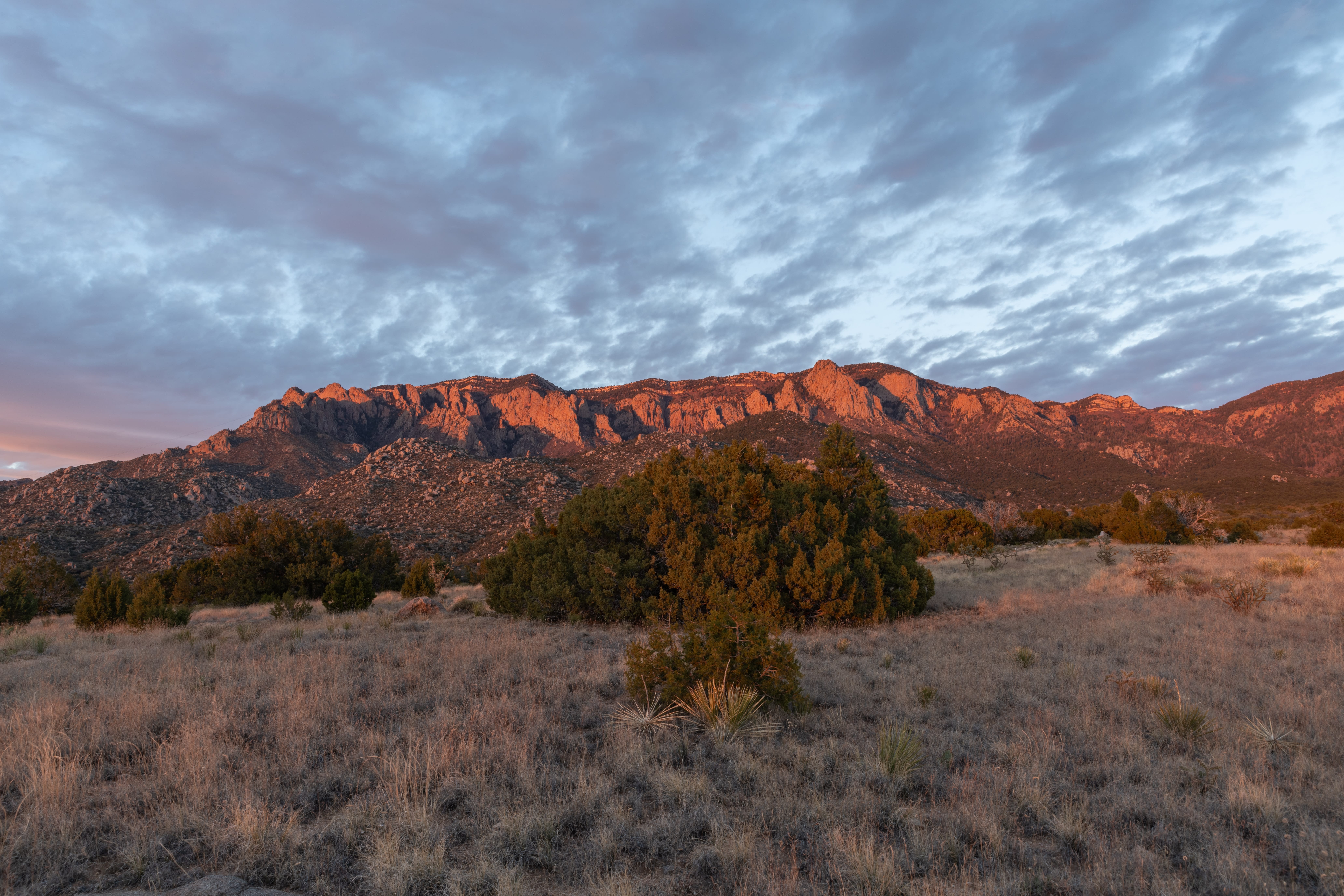

Albuquerque is not one housing conversation—it is a collection of distinct micro-markets shaped by elevation, lot size, home age, access routes, and everyday amenities. Before writing an offer, compare the trade-offs behind the listing photos so you can choose a property that supports your budget, maintenance expectations, and preferred routine.
Why a Micro-Market Comparison Matters
Two homes with similar square footage and list prices can deliver very different ownership experiences in Albuquerque. A property’s setting may affect everything from utility use and landscaping to commute patterns, renovation potential, HOA rules, and how quickly comparable homes come to market. Looking beyond the broad citywide label helps buyers make a more grounded offer rather than relying on a single nearby sale.
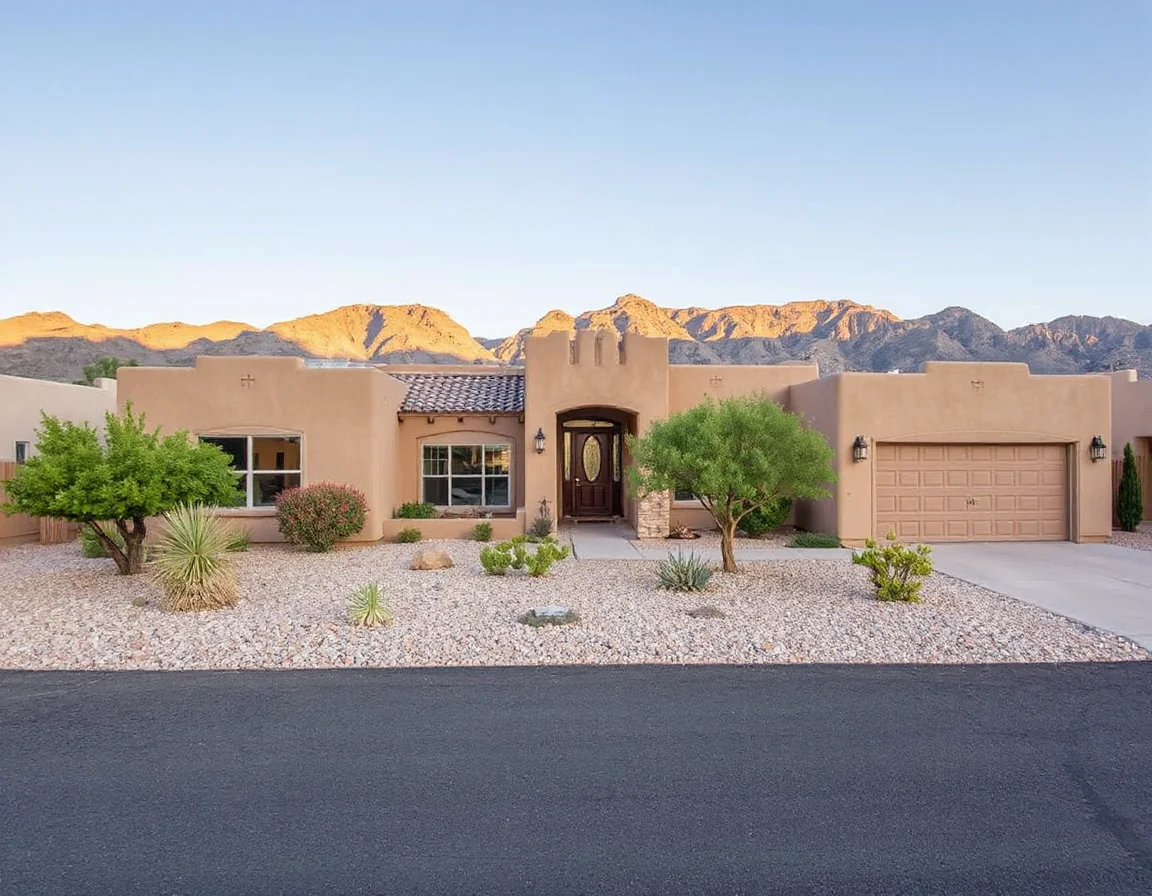
Start with the property’s practical context. Ask whether the home is served by municipal utilities or has features that require additional attention, such as an older roof system, evaporative cooling, mature irrigation, a septic system, or unpaved access. These are not automatic drawbacks; they are ownership details that should be reflected in inspections, budgeting, and the offer timeline.
Then compare recent closed sales with care. A renovated foothills property, a historic home with original details, and a newer Westside house may all be “three-bedroom homes,” but they are not necessarily interchangeable comparables. Lot orientation, views, condition, parking, outdoor space, and proximity to major corridors can have a meaningful effect on value.
The strongest offer is not always the highest one. It is the offer supported by relevant comparable sales, a realistic inspection plan, and a clear understanding of the property’s ongoing costs.
Albuquerque’s variety is a strength for buyers, but it also rewards preparation. The seven areas below are useful starting points for comparison—not rigid boundaries, and not a substitute for reviewing the specific block, home condition, and current inventory with a local real estate professional.
Seven Areas to Put Side by Side
1. Nob Hill and the University Area. This central part of the city is known for established streets, smaller lots, a mix of architectural eras, and access to major employment and cultural destinations. Buyers often compare original-condition homes with carefully updated properties here, so it is important to separate cosmetic improvements from systems work. Review electrical, plumbing, roof age, cooling, and parking alongside the home’s visual appeal.
2. Downtown, Barelas, and surrounding central neighborhoods. Central Albuquerque offers a broad mix of housing types, including older residences, condos, townhomes, and newer infill. Access to civic destinations, transportation routes, and gathering spaces can be a major part of the appeal. Because block-by-block conditions can vary, walk or drive the immediate area at more than one time of day and confirm parking arrangements, association fees, and any planned nearby development.
3. Old Town and Sawmill. Buyers drawn to adobe character, historic influences, and proximity to museums, trails, and established open spaces may include this area in their search. Inventory can range widely in age and style. Historic character can be rewarding, but buyers should account for specialized maintenance, possible preservation considerations, wall construction, and how renovations were permitted.
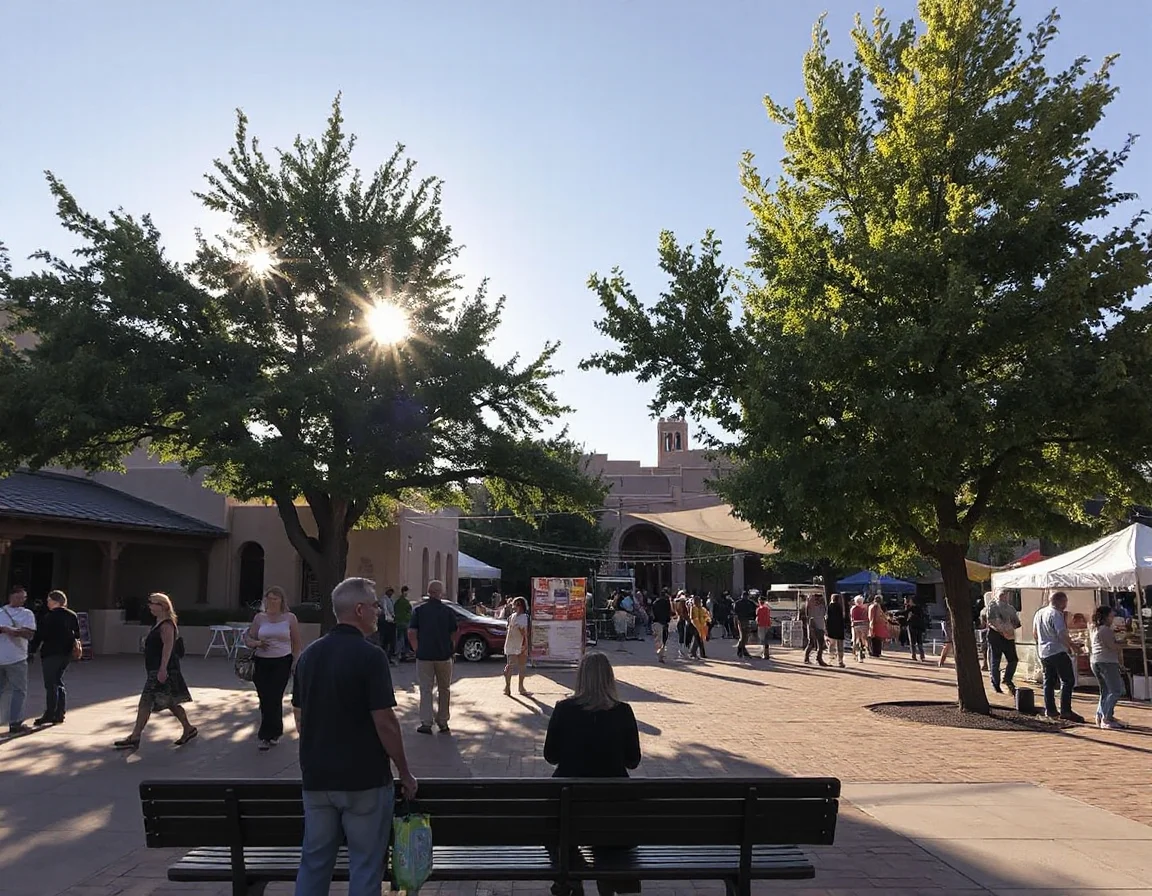
4. North Valley and Los Ranchos-area surroundings. This micro-market often stands apart because of larger parcels, mature vegetation, acequia-adjacent landscapes, and a more semi-rural feel within the metro area. Parcel size alone does not tell the whole story. Confirm water arrangements, irrigation obligations where applicable, access easements, zoning, animal-related rules if relevant to the property, and the condition of any outbuildings.
5. Northeast Heights. The Heights includes a wide range of homes, from established mid-century neighborhoods to properties closer to the foothills. Buyers may be comparing views, elevation, trail access, lot slope, and architectural updates. In foothill-adjacent locations, review drainage, retaining walls, roof maintenance, wind exposure, and insurance considerations as carefully as interior finishes.
6. Westside and Northwest Albuquerque. Newer construction, planned communities, and a range of lot sizes make this a frequent comparison point for buyers seeking contemporary layouts. Commute routes across the river, HOA documents, builder upgrades, and nearby construction activity can all influence a decision. Compare the base home with the actual included features; flooring, landscaping, appliances, and energy-efficiency components can vary considerably from one property to another.
7. South Valley and the far South Valley. This broad area can include established homes, larger lots, agricultural influences, and properties with more individualized features than a typical subdivision home. Due diligence matters: investigate utility setup, flood-zone information, drainage, road access, permitted additions, and the condition of wells or septic systems when present. A detailed inspection period is especially valuable when a property has multiple structures or extensive grounds.
When comparing larger lots or older homes, build time into your offer strategy for documents and inspections. Utility records, permits, drainage details, and HOA materials can reveal costs that a quick showing cannot.
Turn Observations Into an Offer Strategy
Once you have narrowed your preferred areas, create a simple comparison sheet for each finalist property. Include list price, days on market, recent comparable sales, lot size, age, condition, estimated monthly ownership costs, association dues, parking, utility type, and major inspection questions. Add notes from a second visit as well. The home that felt strongest online may look different when you assess street access, natural light, outdoor maintenance, or surrounding construction in person.
Ask for the documents that matter before removing contingencies. Depending on the property, that may include seller disclosures, HOA covenants and budgets, permits, survey information, utility records, roof invoices, and repair receipts. For homes near arroyos or with sloped lots, review drainage and flood information. For older homes, consider specialists when the general inspection identifies concerns involving electrical panels, sewer lines, foundations, or HVAC equipment.
Offer terms can be tailored to the facts of the home and the pace of the current market. Price is important, but so are financing readiness, earnest money, inspection timing, appraisal considerations, possession preferences, and requests for repairs or credits. A clear, well-organized offer can help sellers understand that the buyer has considered the property carefully.
Simply Real Estate NM brings deep New Mexico roots and more than 30 years of industry experience to these local comparisons. Whether you are evaluating a central Albuquerque bungalow, a North Valley parcel, or a newer Westside home, local context can help you focus on the features that affect value long after closing. Compare thoughtfully, verify details, and let the specific property—not a broad neighborhood label—guide your decision.