
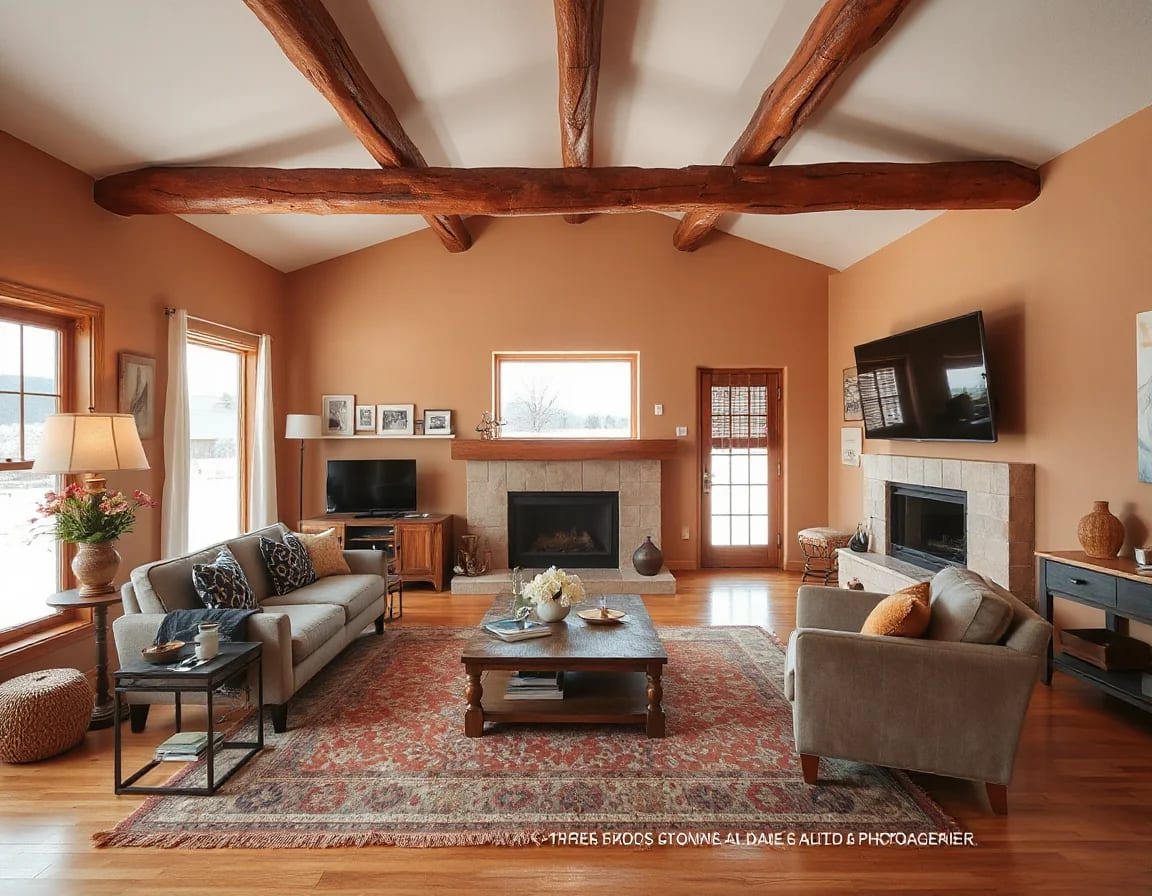
A home valuation is more than a suggested number for a listing—it is a practical starting point for deciding when and how to sell. For New Mexico property owners, a useful valuation considers the home’s condition, location, recent comparable sales, land features, and the current pace of buyer activity. Understanding what goes into that number can help you plan with greater confidence before the sign goes in the yard.
A Valuation Is a Strategy Tool, Not Just a Price
When selling a home, it is tempting to focus on one question: “What can I get for it?” A thoughtful valuation answers that question, but it also gives sellers a clearer view of the decisions that follow. It can help shape a timeline, identify improvements worth considering, set expectations for showings, and establish a pricing approach that reflects current market conditions rather than memories of prior sales or headline-grabbing prices.

At its core, a valuation is an informed opinion of a property’s likely market value at a particular moment. It is not the same thing as a tax assessment, an automated online estimate, or an appraisal ordered by a lender. Each can be useful in its own context, yet a seller’s valuation is designed to help position a home for the active market—the buyers who are comparing available properties, reviewing photos, considering features, and weighing recent sales.
New Mexico adds important layers to that work. Homes can vary dramatically from one block to the next, and value may be influenced by factors that do not always translate neatly into an automated estimate. Lot size, views, acequia or water considerations, access roads, well or septic systems, solar installations, guest spaces, architectural details, and the condition of a roof or heating system can all affect how buyers compare one property with another. A valuation should account for the features that make a home distinct as well as the practical items that shape a buyer’s overall budget.
That is why recent comparable sales matter so much. A knowledgeable real estate professional looks for properties that are truly similar in location, size, age, condition, layout, and amenities, then adjusts for meaningful differences. The goal is not to find one identical home—often impossible—but to create a credible range supported by the market. Active and pending listings are also part of the picture because they show what buyers are seeing right now and where competing sellers have set their expectations.
The most useful valuation is time-sensitive. A price opinion prepared months ago may need a fresh review before launch because new listings, recent closings, and shifts in buyer activity can quickly change the competitive landscape.
For sellers, the takeaway is simple: a valuation should create clarity, not pressure. It can reveal whether the property is likely to compete best at a particular price range, whether a modest preparation plan may improve presentation, and whether timing the listing around personal goals makes sense. Even if a move is still several months away, getting a professional perspective early can make later decisions more orderly.
What Local Market Knowledge Adds
Online valuation tools are convenient, but they work from broad data patterns. They may not recognize the difference between a carefully maintained home and one with deferred maintenance, the appeal of a usable outdoor living area, or the impact of a property’s setting within its local market. In communities across New Mexico, those details often matter because housing styles, terrain, utilities, and buyer priorities can change over relatively short distances.
A local review begins with the property itself. Sellers should expect a conversation about square footage, bedrooms and bathrooms, updates, systems, lot characteristics, parking, storage, outdoor spaces, and any features that may require further explanation. Documentation can be especially helpful: permits, warranties, utility information, improvement dates, survey materials, and records for solar equipment or major repairs may support a more complete understanding of the home.
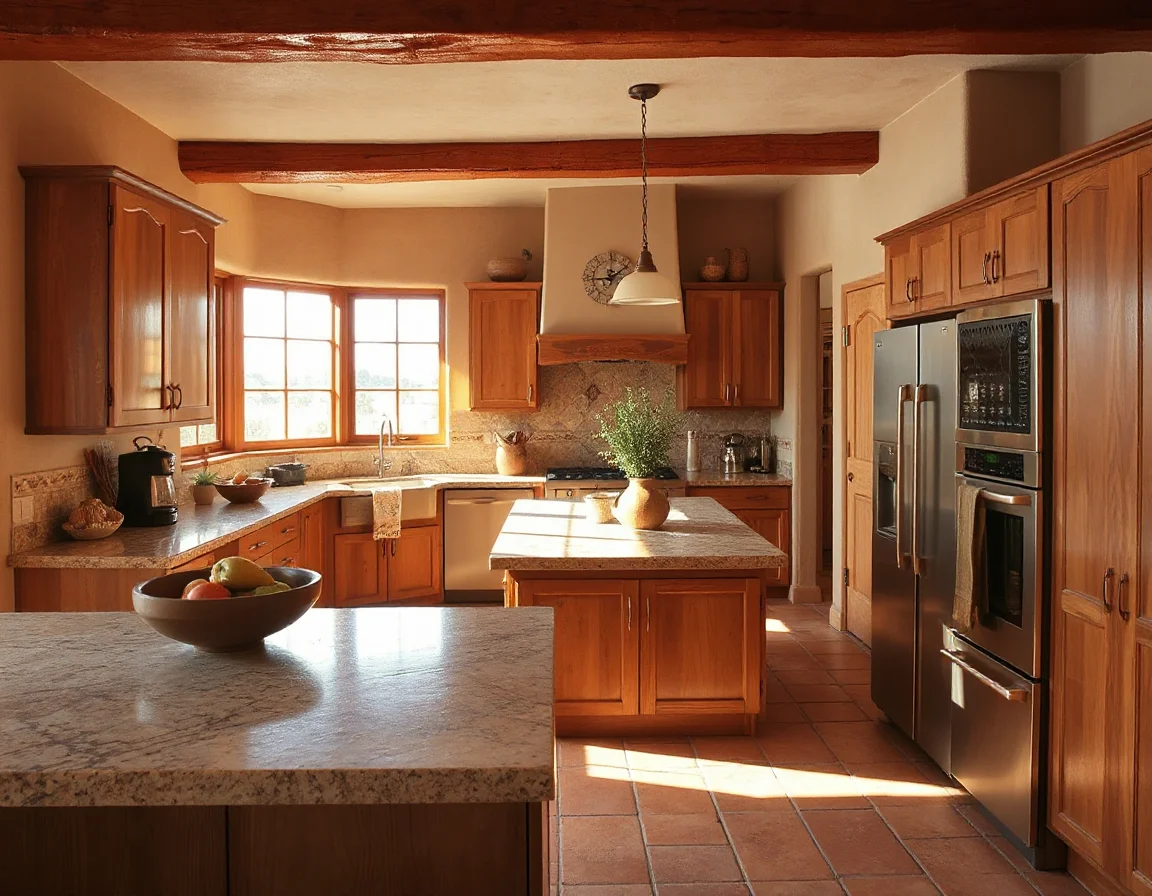
Condition also deserves an honest look. A valuation does not require a home to be flawless, and sellers do not need to complete every possible project before listing. Instead, the process can help separate high-impact preparation from work that may not meaningfully affect buyer response. Fresh paint, decluttering, minor repairs, landscape maintenance, and professional photography can improve first impressions. Larger updates should be evaluated in the context of cost, timing, and likely market return rather than pursued automatically.
Pricing is where the information comes together. Setting the list price well above comparable evidence can reduce early interest, while setting it too low without a deliberate strategy may leave sellers uncertain about the outcome. A well-supported list price is meant to invite serious attention from buyers who are searching within a realistic range. It should also leave room for the ordinary elements of a transaction, including inspections, appraisal considerations, financing, and negotiation.
Simply Real Estate brings deep New Mexico roots and more than 30 years of industry experience behind the brokerage to these conversations. That background supports a collaborative process: reviewing the home, studying relevant market evidence, discussing goals, and helping sellers understand the reasoning behind the recommended approach. A valuation is most valuable when it gives the owner the information needed to make decisions, not when it simply delivers a single number.
How Sellers Can Prepare for the Conversation
Before requesting a valuation, gather the details that tell the story of the property. Make a list of improvements with approximate dates and costs, note any special systems or land features, and identify items that may need attention. If there are known concerns, sharing them early is generally more useful than waiting; a clear assessment allows for better planning and fewer surprises once the home reaches the market.
It also helps to think beyond price. Consider your preferred sale timeline, whether you need flexibility around possession, what preparation work feels manageable, and how proceeds may connect to your next step. These goals can influence the recommended launch date and marketing plan. A seller who needs additional time to prepare may benefit from an early valuation, while someone ready to move may need a current review of competing listings and recent contracts.
Ask questions during the process. Which sales were used as comparables, and why? How does the home compare with active competition? Which features are likely to stand out in marketing, and which may prompt buyer questions? What preparation items are priorities before photos and showings? Clear answers help turn valuation data into a plan that feels practical and tailored to the property.
Most importantly, remember that market value is not a fixed label attached to a home forever. It is a moving conclusion shaped by the property, the alternatives available to buyers, and the market conditions present when the listing launches. With a current valuation and a realistic preparation plan, sellers can approach the process with stronger expectations and a more focused path forward.